
Temple’s Political Reorganization
Gang Up: A Bikerland NovelThis flow follows how the town’s leadership shifts from Titus’s rule through Troy’s exposure to a shared Family–Cauldron settlement.
increasing Bearing strength in each event
 decreasing
Bearing strength in each eventdecreasingTitus’s Legacy
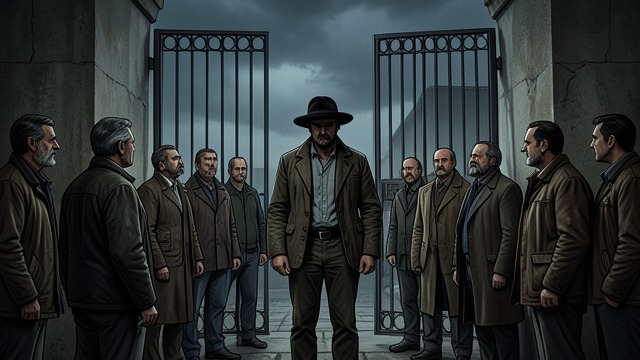
The Work of Rule
An inherited structure
Titus’s funeral reveals how much of Temple’s cohesion depended on one leader’s judgment. Case knows the settlement, its defenses, and its fragile economy all require continuing attention.
An unfinished inheritance
Brall’s presence beyond the town’s walls and Troy’s competing ambition expose weaknesses Titus had contained. Case inherits authority without inheriting his father’s certainty or unquestioned standing.
The funeral establishes the political problem that governs the story: preserving the community requires a new arrangement before its internal divisions invite conquest.
A Council Without Trust
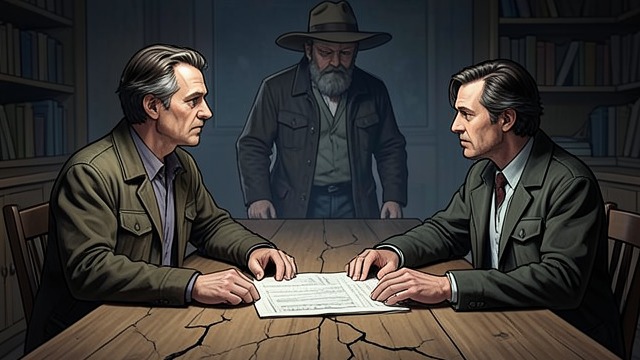
Compromise on Paper
Shared authority
Case offers Troy a council-based partnership, with votes and vetoes intended to prevent either man from dominating the Family. The proposal acknowledges that their followers are divided.
Personal terms
The proposed marriages make governance intimate and coercive. Robin and Sandra are positioned within the deal, while neither leader demonstrates that he trusts the other to honor its spirit.
The council is a practical response to uncertainty, but its foundation is weak. It redistributes authority without changing the ambitions that make authority contested.
Troy’s Independent Agenda
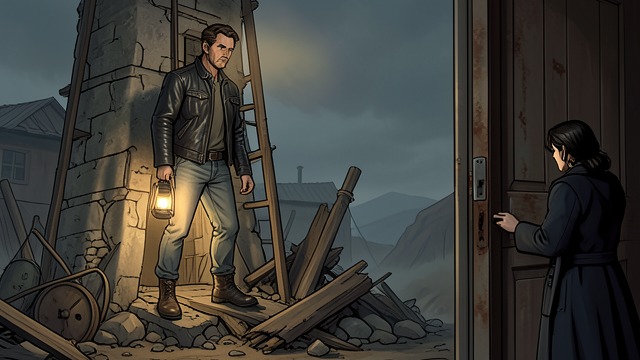
Power Behind the Crisis
Escalation by design
Troy’s actions include the killing of Carthage and sabotage of the grain tower and long garage. He presents the resulting danger as a reason for stronger action, while hiding his own responsibility.
A bid for control
The attacks weaken trust, consume resources, and push Case toward conflict with Brall. Troy expects the divided leadership and rising violence to improve his personal position.
His strategy reveals that the Family’s crisis comes from within as well as from outside. The apparent war between gangs is also a struggle over who gets to direct the Family.
Sandra’s Intervention
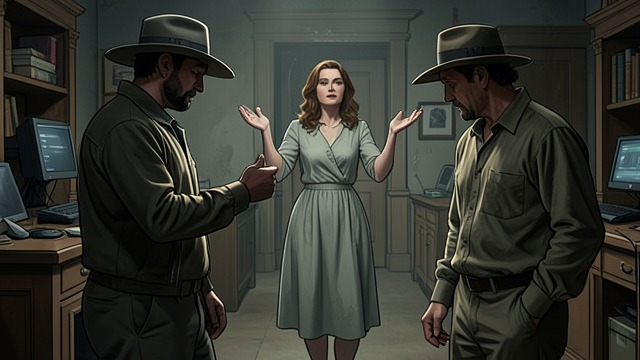
The Matron Speaks
Evidence in public
Sandra steps between Troy and his planned battle speech. She accuses him of killing Titus and Carthage, and of manufacturing further violence through sabotage.
A political audience
Witnesses give her accusations public weight. Even Troy’s supporters begin to reconsider whether loyalty to him is worth defending his crimes.
Sandra’s intervention converts private suspicion into a public test of legitimacy. Troy’s claim to authority collapses when the Family’s people are given a reason to withdraw their support.
Co-Rule in Temple
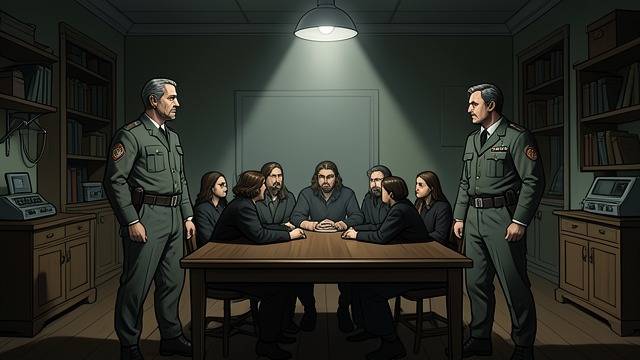
Shared Governance
Distinct responsibilities
The Temple Accord gives the Family and Cauldron different but interlocking roles in local security, outside trade, and exploration. Their arrangements make either group’s survival partly dependent on the other.
A pragmatic order
Case and Brall present the agreement to their followers after negotiating its terms. The settlement offers the Cauldron stability and the Family access to disciplined support.
Temple’s political structure becomes a deliberate mixture of competing strengths. Its new stability depends on negotiation and mutual interest rather than a single ruler’s command.
at Titus’s funeral
during the first leadership meeting
after Carthage’s killing and before the fires
before the agreed open battle
after the final negotiation
